引きこもり

Hikikomori
Hikikomori
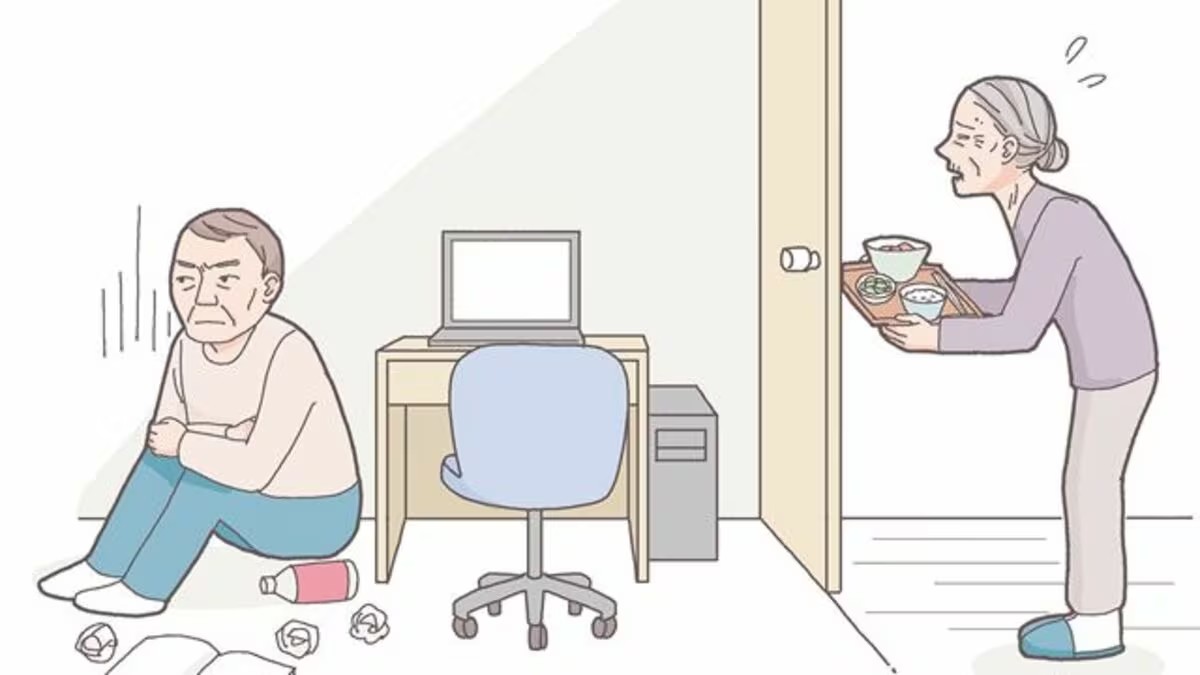
仕事や学校に行かないで、外の人とあまり会わない「引きこもり」の人がいます
There are ”hikikomori” people who don’t go to work or school and don’t meet many people outside.
There are ”hikikomori” people who don’t go to work or school and don’t meet many people outside.
国によると、引きこもりの人は日本に146万人ぐらいいます
According to the government, there are approximately 1.46 million hikikomori people in Japan.
According to the government, there are approximately 1.46 million hikikomori people in Japan.
引きこもりの子どもがいる親は、子どもの将来について心配しています
Parents of hikikomori children are worried about their children’s future.
Parents of hikikomori children are worried about their children’s future.
特に「80-50」と言われる問題があります
In particular, there is a problem called ”80-50”
In particular, there is a problem called ”80-50”
80歳以上の親が50歳ぐらいの引きこもりの子どもと一緒に生活しています
Parents over 80 years old live with a recluse child around 50 years old.
Parents over 80 years old live with a recluse child around 50 years old.
専門家は、引きこもりの子どもがいる親は、子どもと話し合って、親が亡くなったあとも子どもが生活できるように計画をつくることが大事だと言っています
Experts say it’s important for parents of reclusive children to talk with their children and come up with a plan to help them survive after their parent passes away.
Experts say it’s important for parents of reclusive children to talk with their children and come up with a plan to help them survive after their parent passes away.
親が残すお金や財産をどうやって使うか考えることなどが必要です
You need to think about how to use the money and assets left by your parents.
You need to think about how to use the money and assets left by your parents.
引きこもり
Hikikomori.
Hikikomori.
仕事や学校に行かないで、外の人とあまり会わない「引きこもり」の人がいます
There are ”hikikomori” people who don’t go to work or school and don’t meet many people outside.
There are ”hikikomori” people who don’t go to work or school and don’t meet many people outside.
国によると、引きこもりの人は日本に146万人ぐらいいます
According to the government, there are approximately 1.46 million hikikomori people in Japan.
According to the government, there are approximately 1.46 million hikikomori people in Japan.
引きこもりの子どもがいる親は、子どもの将来について心配しています
Parents of hikikomori children are worried about their children’s future.
Parents of hikikomori children are worried about their children’s future.
特に「80-50」と言われる問題があります
In particular, there is a problem called ”80-50”.
In particular, there is a problem called ”80-50”.
80歳以上の親が50歳ぐらいの引きこもりの子どもと一緒に生活しています
Parents over 80 years old live with a recluse child around 50 years old.
Parents over 80 years old live with a recluse child around 50 years old.
専門家は、引きこもりの子どもがいる親は、子どもと話し合って、親が亡くなったあとも子どもが生活できるように計画をつくることが大事だと言っています
Experts say it’s important for parents of reclusive children to talk with their children and come up with a plan to help them survive after their parent passes away.
Experts say it’s important for parents of reclusive children to talk with their children and come up with a plan to help them survive after their parent passes away.
親が残すお金や財産をどうやって使うか考えることなどが必要です
You need to think about how to use the money and assets left by your parents.
You need to think about how to use the money and assets left by your parents.






















 Home
Home
 Video
Video
 JLPT Test
 Dictionary
 Lesson

 Topic
Topic