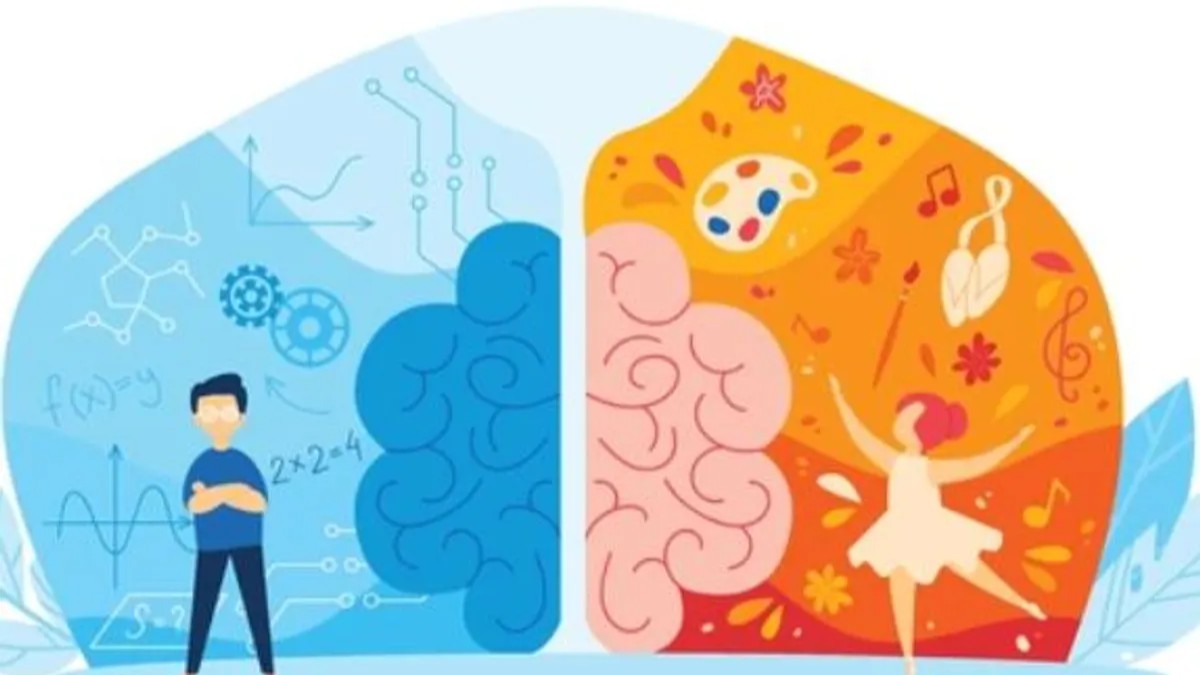
何十年もの間、私たちは男女の違いを有名な心理学本にならい、「男は火星から、女は金星からやってきた」と表現してきた。
For decades, we have explained the differences between men and women using famous psychology books, such as Men Are from Mars, Women Are from Venus.
。
However, in reality, men and women are simply speaking different languages.
。
One side uses language related to IQ intelligence quotient, while the other uses language related to EQ emotional intelligence quotient.
。
IQ is deeply related to the traditional masculine aspects of business, such as logic, competition, and order, while EQ is associated with feminine aspects like empathy, connection, and intuition.
。
長い間、職場ではEQよりもIQが重視され、生産性が人間性よりも重要視されてきました。
。
However, what will be required of leaders in the coming era is not to choose one or the other, but to master both of these languages.
。
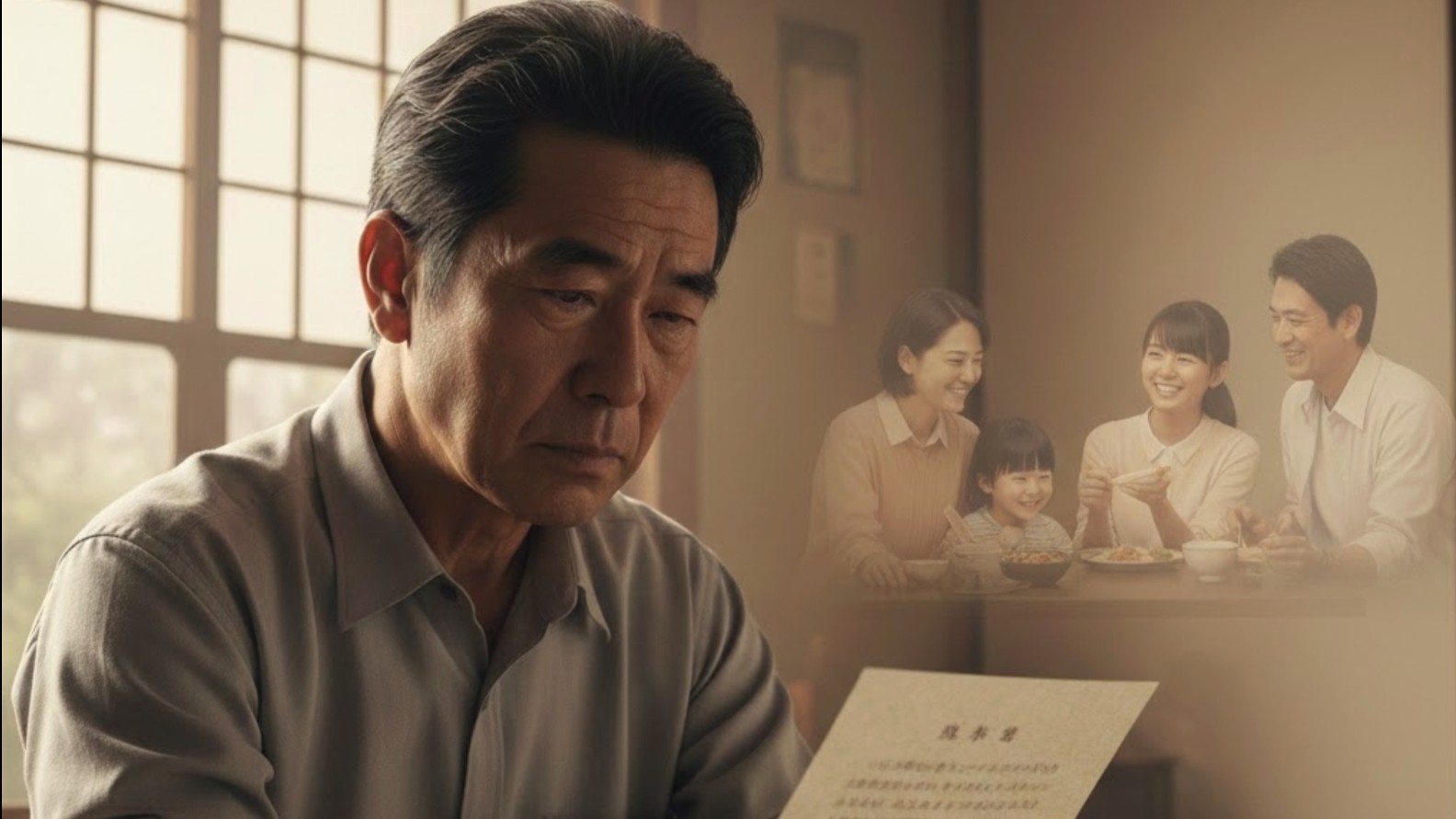
Please imagine a family dinner.
。
A good conversation is not one where one side dominates or only certain topics are allowed.
。
Anyone can easily join the conversation and freely talk about topics other than market trends or sports scores.
。
In a warm and friendly atmosphere, everyone shared their favorite stories, listened to each other, and laughed together. From the quiet uncle to the outspoken younger sister, everyone was able to enjoy the conversation in their own way.
。
The workplace should be the same.
。
We often hear that women feel uncomfortable when they are in a room full of men.
。
However, in reality, it might be the opposite. It is actually men who feel uncomfortable when they are among women.
。
Men sometimes hesitate to engage in open conversations, social interactions, or emotionally-based discussions.
。
Therefore, they prefer to gather in places where they can safely talk about topics they are familiar with and that have clear order and rules, such as sports scores, golf plans, or business matters.
。
In order for everyone to truly feel that “this workplace is a place where I belong,” we need to broaden the possibilities of our “language” to connect with one another.
。
Specifically, it is necessary to create a space where everyone feels welcome.
。
For example, company events include not only golf and whiskey tasting, but also hiking, pickleball, cooking classes, and volunteer activities.
。
場が中立的であれば、体験は平等になる。
If the space is neutral, the experience becomes equal.
。
The relationship and titles between superiors and subordinates will become ambiguous, allowing people to connect as individuals.
。
In this way, IQ and EQ will intersect, Martians and Venusians will meet, and the workplace will become a place for everyone.
。
This does not simply mean combining half of masculine elements and half of feminine elements.
。
A place for everyone is created by the natural blending of two different elements, generating a shared language of belonging.
。
What matters is not who is in that space, but how everyone in that space feels.
。
The benefits of “actively engaging among people with differing opinions”—Affinity bias refers to our psychological tendency to be attracted to people who look, speak, or think similarly to ourselves.
。
However, I would like to propose an approach that is the opposite of empathy bias.
。
私が「好奇心に基づく包摂」と呼ぶこのアプローチは、自分の偏見を覆し、自分の視野を広げてくれるような人々を積極的に選ぶことをあなたに促します。
。
Empathy bias will tell you to choose someone who is similar to you.
。
On the other hand, those based on curiosity will tell you, Learn from people who are different from you.
。
By inviting people with new perspectives into your group, whether in conversations, projects, or social activities, you can break out of your “familiar world” and stimulate your curiosity.
。
Real progress begins from there.
。
The workplace of the future will no longer be a place just for men or just for women.
。
The person who can create a big table where everyone can join and there is a seat for everyone will be the one to lead the workplace of the future.


 Page d'accueil
 Vidéo
Vidéo
 Examen JLPT
 Dictionnaire
 Leçon
Leçon

 Sujet
Sujet