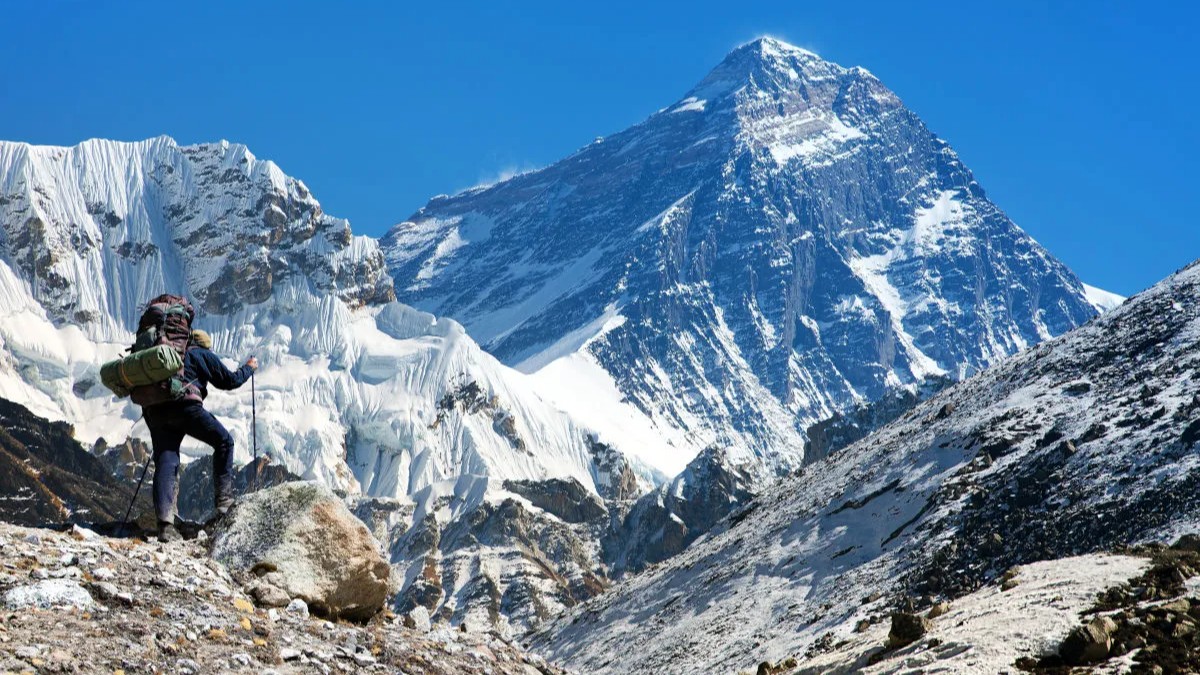
世界最高峰エベレストにおけるオーバーツーリズム問題が深刻化していることを受け、ネパール政府は国内の僻地に位置する97峰に対し、登山許可料を免除する方針を打ち出した。
Mountaineering tourism congestion on Mount Everest—the highest mountain in the world—is becoming increasingly serious, so the Nepalese government has announced a policy to make climbing permits free for 97 mountains located in remote areas of the country.
。
This measure aims to reduce the concentration of climbers on Everest, promote tourism, and create jobs in economically underdeveloped regions.
。
Specifically, the peaks ranging from 5,870 meters to 7,132 meters in Karnali Province and Sudurpashchim Province are covered by this policy. According to the BBC, these are the most difficult regions to access in Nepal, and since very few tourists visit, it is difficult for them to benefit economically.
。
The new policy is expected to not only reduce the burden on Everest, but also turn these remote areas into new destinations for adventure tourism.
。
However, mountaineering organizations point out that the lack of developed infrastructure and the high cost of access are major obstacles to attracting climbers.
。
In fact, out of the 97 peaks that have been free to climb over the past two years, only 68 have been summited. Meanwhile, in 2024 alone, 421 Everest climbing permits have been issued, showing a clear disparity.
。
Everest has long been regarded as a sacred place for climbers, but in recent years it has become a symbol of overtourism and is even referred to as the highest garbage dump in the world.
。
In 2025, Everest was also added to Fodor’s No List—a list of places not to visit—highlighting the increasingly serious environmental and safety concerns.
。
Over the past 25 years, the number of visitors has surged to about 60,000 per year, and the barriers to climbing have shifted from technical to economic. In 2023, the number of fatalities reached the highest level in recent years.
。
The amount of trash left behind by climbers and staff is also extremely serious, with about 790 kilograms of garbage generated per day.
。
There are empty oxygen tanks that were not disposed of in time, abandoned tents, and food containers, and due to the melting of snow and ice caused by climate change, even more old trash is being exposed.
。
Garbage and wastewater are dumped into large pits outside the village, and during the rainy season, they overflow into canals and waterways, causing pollution and health problems for the residents.
。
The erosion of mountain trails and deforestation are becoming increasingly serious, and the impact that tourists have on the local environment is extremely significant.
。
Mount Everest is the worlds highest peak above sea level at 8,849 meters, but if you compare the height from the base of the mountain, Mauna Kea Hawaii and Olympus Mons Mars are even taller.
。
Recently, the regulations for climbing Everest have become increasingly strict, and rules like the 7,000-meter rule now require climbers to have experience climbing mountains over 7,000 meters before attempting Everest.
。
With the summit of 97 becoming free, it is expected to become a place to gain experience with this rule.
。
Mountaineering costs are also soaring, with permit fees during the peak season at $15,000 about 2.35 million yen, and the total cost per person ranging from $40,000 to $60,000 about 6.26 million to 9.39 million yen.
。
The Supreme Court of Nepal has requested the government to limit the number of permits issued and to respect the capacity of the area.
。
The International Mountaineering and Climbing Federation UIAA highly appreciates Nepals new policy, stating that dispersing climbers from Everest will expand employment opportunities for local communities and reduce overcrowding, pollution, and dangerous wait times at famous points.
。
However, since issues such as infrastructure and access costs still remain, making the permits free of charge alone may not be sufficiently effective.
。
Nevertheless, in the long term, the opening of new climbing areas is expected to bring great opportunities to future generations of climbers.
。
Going forward, the Nepalese government is expected to focus on developing infrastructure, managing waste, and enforcing strict safety regulations, requiring careful management to ensure that the problems that occurred on Everest are not repeated at new tourist destinations.


 Page d'accueil
 Vidéo
Vidéo
 Examen JLPT
 Dictionnaire
 Leçon
Leçon

 Sujet
Sujet