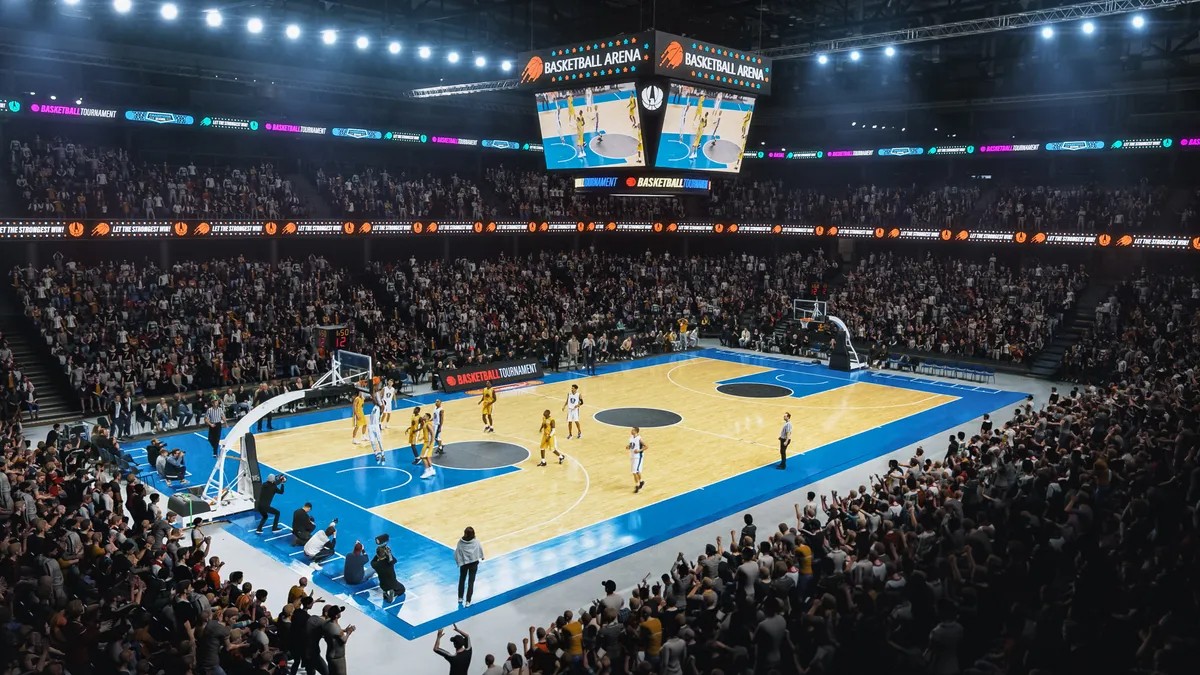
近年、スタジアムやアリーナは従来の「競技場」という枠組みを超え、多様なイベントや地域振興を担う巨大なビジネスプラットフォームとして進化しつつある。
In recent years, stadiums and arenas have been evolving beyond their traditional role as venues for sporting events, becoming major business platforms that host a variety of events and contribute to regional revitalization.
。
These facilities were previously used mainly for sporting events, but now they are utilized for a variety of purposes such as concerts and corporate events, and their role as social infrastructure that stimulates the local economy is becoming increasingly important.
。
According to a survey by Teikoku Databank, the total sales from stadium and arena operations by 50 major domestic companies in fiscal 2024 reached 385.1 billion yen, an 18.7% increase compared to fiscal 2019 before the spread of COVID-19.
。
Specifically, revenue from stadiums is 243.4 billion yen, and from arenas, it is 141.7 billion yen.
。
The active resumption of concerts, the recovery of spectator numbers at professional sports events, and the growing demand for events such as exhibitions have significantly increased the number of operating days for these facilities, which has been a major factor in sales growth.
。
A particularly noteworthy point is that the average amount spent per participant has increased.
。
In recent years, ancillary services such as the expansion of VIP areas, upgrades to lounges, and improvements to food and beverage spaces have been continuously enhanced. As a result, a new revenue structure that does not rely solely on traditional ticket sales is gradually being established.
。
Through these initiatives, the role of the facility as a place that generates high added value is becoming increasingly clear.
。
The driving force behind this growth is the very existence of the mens professional basketball league B.
。
2024-25シーズンにおける観客動員数は485万人に達し、3シーズン連続で過去最高を更新した。
The number of spectators for the 2024-25 season reached 4.85 million, setting a new record for the third consecutive season.
。
PREMIER will begin in 2026, and participation criteria will include factors such as arena capacity, the number of VIP seats, and accessibility, which is causing a wave of major new constructions and renovations in many regions.
。
For example, the successive openings of new-generation arenas such as TOYOTA ARENA TOKYO Tokyo and IG Arena Aichi clearly indicate this trend.
。
Regarding management methods as well, the industry is undergoing a major transformation.
。
Currently, about 60% of all facilities have introduced the “Designated Management System.” However, going forward, the importance of forms such as “private transfer of operating rights,” in which the private sector invests and operates from a long-term perspective, as well as public-private partnerships PPP/PFI, will continue to increase.
。
The challenge in this changing environment is how to position stadiums and arenas not just as venues for hosting events, but as social infrastructure that contributes to the local economy, tourism, and job creation.
。
Without a doubt, striking a balance between flexible management strategies suited to the characteristics of each region and sustainable revenue models will be a major factor influencing the competitiveness of each region in the future.


 Home
Home
 Video
Video
 JLPT Test
 Dictionary
 Lesson

 Topic
Topic