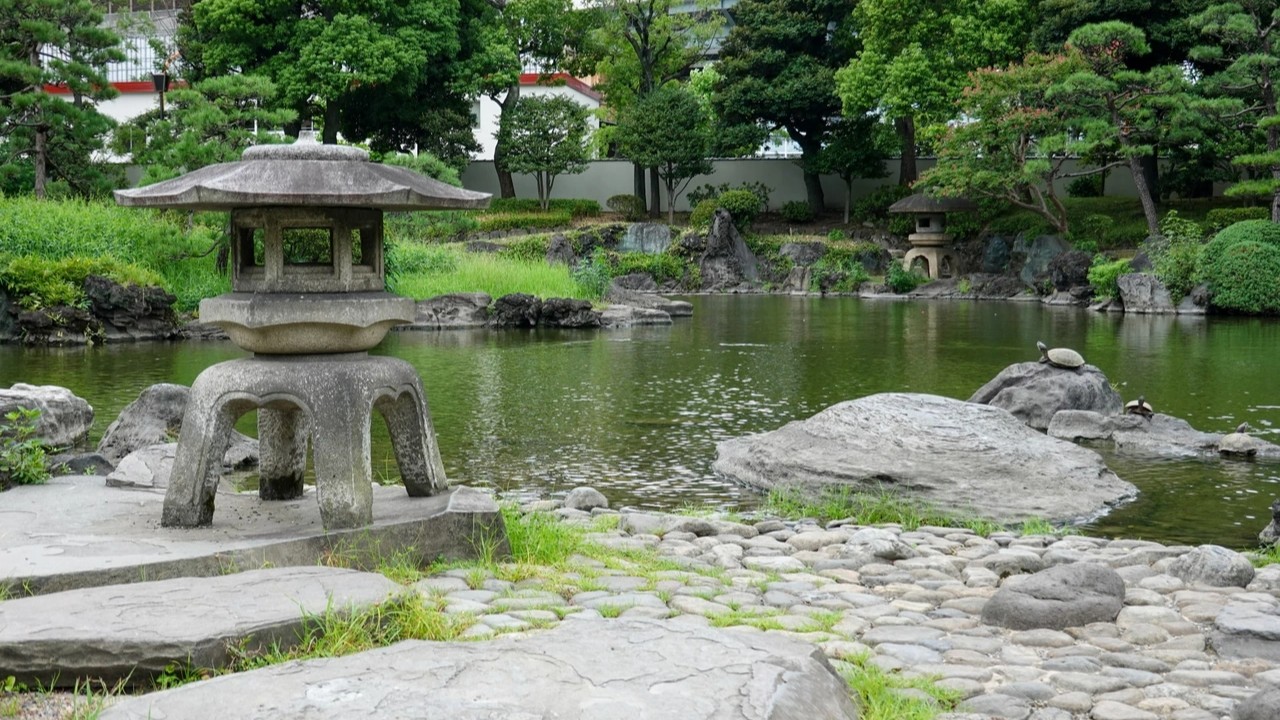
わびさびは、日本の文化や芸術、建築、ライフスタイルに大きな影響を与える哲学の一つです。
Wabi-sabi is one of the philosophies that has had a significant influence on Japanese culture, art, architecture, and lifestyle.
この考え方は、物事が完璧でないことを理解し、欠けている部分に美しさを見つけることを教えてくれます。
This way of thinking teaches us to understand that nothing is perfect, and to find beauty in imperfections.
わびさびは、仏教の禅から来ており、「無常」「苦しみ」「無我」という仏教の教えに基づいています。
Wabi-sabi originates from Zen Buddhism and is based on Buddhist teachings such as impermanence, suffering, and non-self.
「わび」は、シンプルさや不完全さを意味し、「さび」は、時間の流れによる変化を示します。
Wabi means simplicity and imperfection, while Sabi represents changes brought by the passage of time.
わびさびは、物事が不完全であり、老いることを受け入れ、その中で美しさを見つけることを大切にしています。
Wabi-sabi emphasizes accepting the imperfections and aging of all things, and seeks to find beauty within them.
この哲学は、12世紀から14世紀にかけて形成され、16世紀には日本の茶道で完成し、美学の中心的な位置を占めるようになりました。
This philosophy was formed between the 12th and 14th centuries, and by the 16th century, it was perfected in the Japanese tea ceremony, becoming the core of its aesthetics.
日本では、わびさびは、物質的な贅沢を超えたシンプルな美しさを大切にしています。
In Japan, wabi-sabi values a simple beauty that goes beyond material luxury.
わびさびは、完璧を追い求めるのではなく、不完全なものにこそ美があると教えており、その考え方は西洋の完璧主義とは異なります。
Wabi-sabi teaches us that it is not about pursuing perfection, but rather that there is beauty in imperfection. This way of thinking is different from Western perfectionism.
日常の中で欠点を受け入れ、心を開くことで、生活がもっと楽に感じられるようになります。
By accepting the shortcomings of everyday life and opening their hearts, people will find that life feels easier.