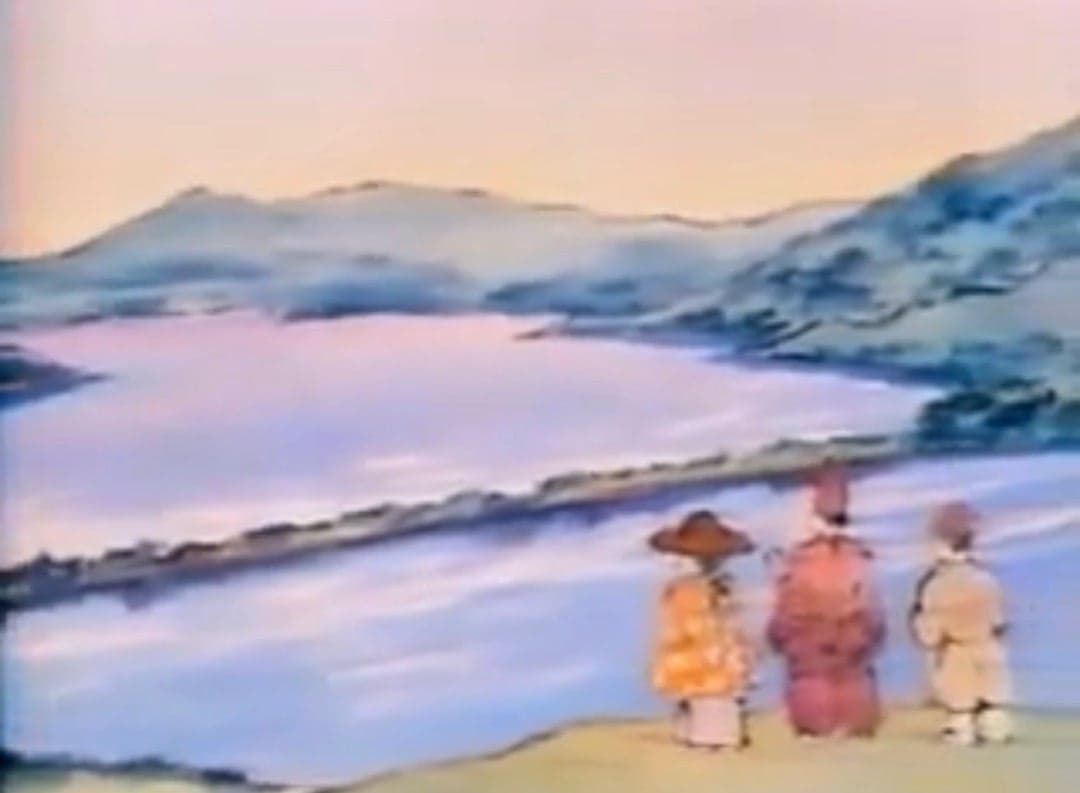
<noun 1> is one of the <noun 2>.京都府の天の橋立は、日本三景の1つです。
Verb in て-form + いますN4
Express the state of an event that is happening.海の上に、長さ3.6kmの細い道が続いています。
Verb in た form + ことが ありますN4
Expressing the experience of having done something in the past.昔、平安時代の小式部内侍が、天の橋立の歌を詠みました。
Verb in て form + いないN4
Expresses the state in which an event has not yet occurred.小式部内侍は、母親から手紙が来ていないことを歌にしました。
Verb in て-form + いませんN4
Expresses the state in which an event has not yet occurred.「大江山を越えて、いく野の道は遠いので、まだ手紙も見ていません。天の橋立も見ていません」
Verb in て form + いないN4
Expresses the state in which an event has not yet occurred.小式部内侍は、遠くに住んでいる母親から、手紙が来ていないことを伝えました。
Verb te-form + いましたN4
Express an event that happened in the past.天の橋立の名前も入れて、すばらしい歌でした。
Noun もN4
<Noun> also~. も is used instead of は/が when the information about the subject of the sentence is the same as the information about the subject of the previous sentence.天の橋立の名前も入れて、すばらしい歌でした。