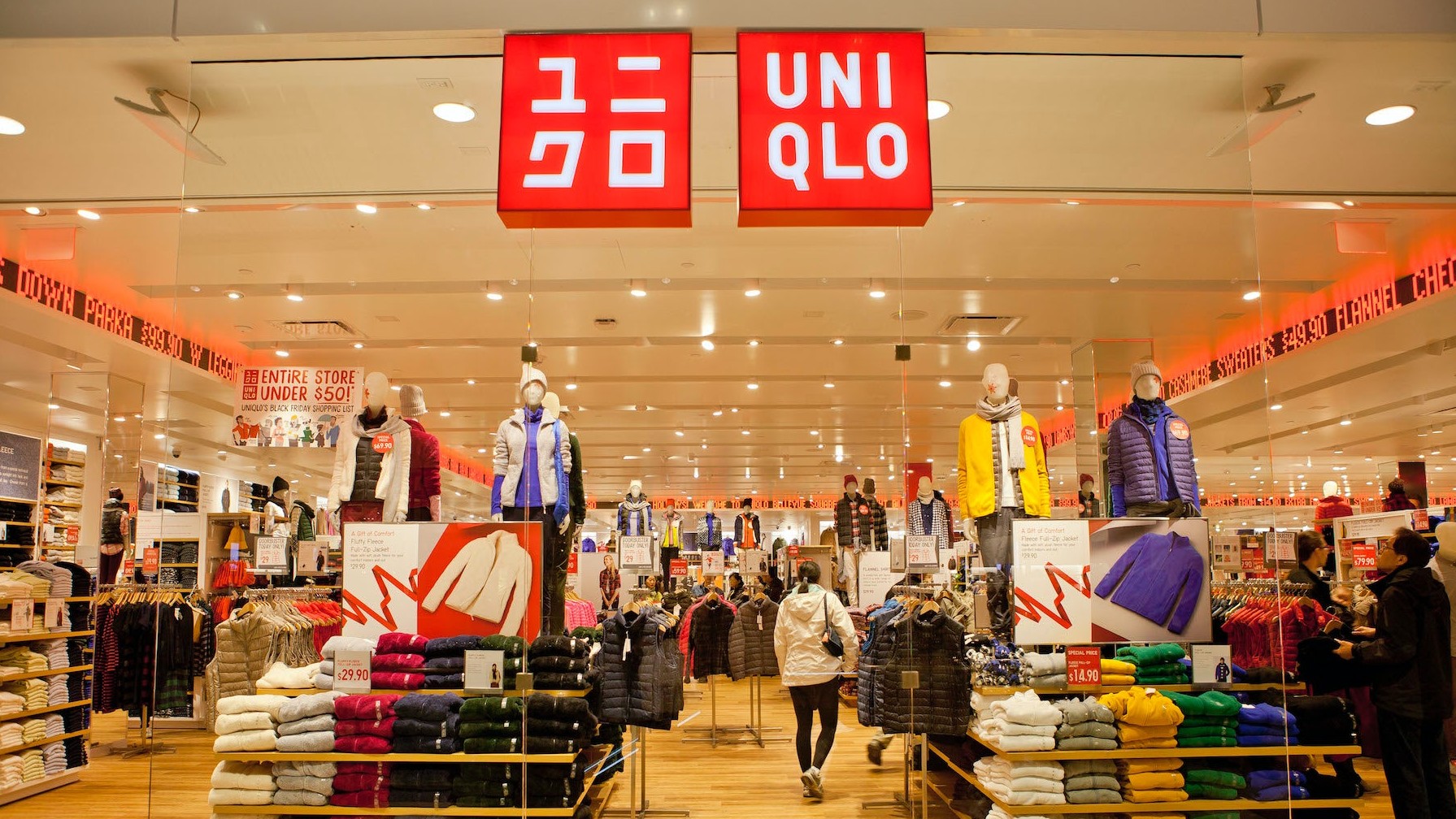
 Uniqlo's starting salary is 370,000 yen! There are various opinions on the internet.
Recently, UNIQLO's parent company Oyagaisha announced some new news.
This means that the first salary that people who join a new company will receive will be 370,000 yen.
The average starting salary in Japan today is approximately 200,000 yen to 250,000 yen.
Therefore, 370,000 yen is very expensive.
There are various opinions on the internet regarding this news.
Someone once said, ``In order to get good people into the company, you need a high salary.''
However, another person said, ``I was surprised because even though I worked hard for 10 years, I had never received such a high salary.''
Uniqlo's parent company, Oyagaisha, has decided to raise salaries by a few cents in order to compete against other companies in the world.
It is also said that this rule was created in order to prevent young Japanese people from quitting their jobs at the company.
Uniqlo's starting salary is 370,000 yen! There are various opinions on the internet.
Recently, UNIQLO's parent company Oyagaisha announced some new news.
This means that the first salary that people who join a new company will receive will be 370,000 yen.
The average starting salary in Japan today is approximately 200,000 yen to 250,000 yen.
Therefore, 370,000 yen is very expensive.
There are various opinions on the internet regarding this news.
Someone once said, ``In order to get good people into the company, you need a high salary.''
However, another person said, ``I was surprised because even though I worked hard for 10 years, I had never received such a high salary.''
Uniqlo's parent company, Oyagaisha, has decided to raise salaries by a few cents in order to compete against other companies in the world.
It is also said that this rule was created in order to prevent young Japanese people from quitting their jobs at the company.









Todaii Japanese is a website for learning and reading Japanese news integrating various features such as dictionary, practice, testing, ...
https://todaiinews.com
todai.easylife@gmail.com
(+84) 865 924 966
315 Truong Chinh, Khuong Mai, Thanh Xuan, Hanoi














 Home
Home
 Video
Video
 JLPT Test
 Dictionary
 Lesson

 Topic
Topic