人間の身体的特徴には、想像以上の多様性と可変性が内在している。
The physical characteristics of humans possess a diversity and nature of change that far surpass our imagination.
。
Considering the fact that, in addition to innate individual differences, form and function change significantly during the processes of growth and aging, it is inevitable that there are two main directions in the design of objects used by humans.
。
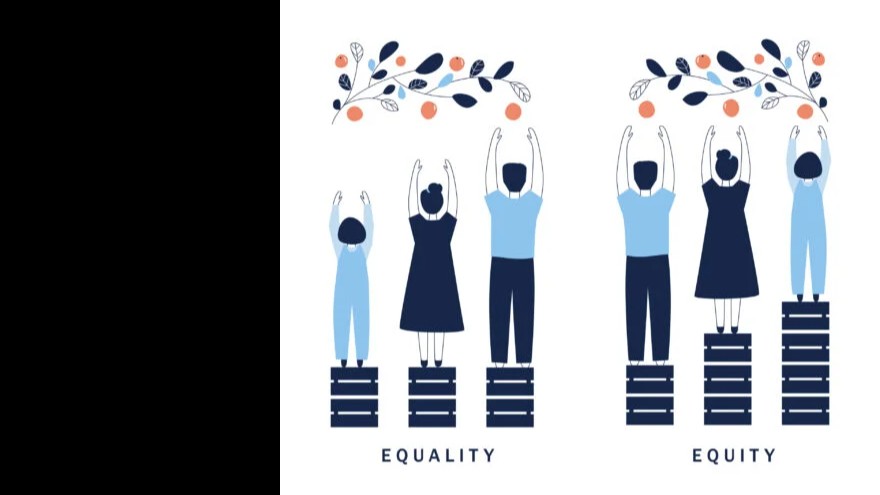
One is a construction method that allows many people with different physiques and physical abilities to use the same environment or product equally, and the other is a method of pre-setting multiple specifications or functions to accommodate individual differences.
。
The first method is desirable from the perspective of productivity and economic rationality, but its universality may be limited.
。
The second method offers the flexibility to meet diverse needs, but it also has the disadvantage of making the development process more complex and ultimately leading to increased costs.
。
The philosophy of Universal Design UD aims to create structures that minimize potential burdens on users while avoiding the creation of a sense of personal inequality.
。
To embody this philosophy in actual design practice, it is essential to interact directly with many users, engage in repeated dialogues, and broaden one’s knowledge and experience.
。
In other words, equality is not just a matter of systems or philosophy, but also a concept that relates to the very way we perceive things.
。
We become most aware of the importance of equality precisely at the moment we feel it is not guaranteed.
。
In situations where complete equality is taken for granted, there is usually no opportunity to be consciously aware of it from the beginning.
。
However, in the fields of design and manufacturing, discussing equality after problems have already become apparent is already too late.
。
On the contrary, making equality the foundation of all design thinking and continuously engaging in self-reflection is precisely what can be called the requirement for truly universal design.


 Page d'accueil
 Vidéo
Vidéo
 Examen JLPT
 Dictionnaire
 Leçon
Leçon

 Sujet
Sujet