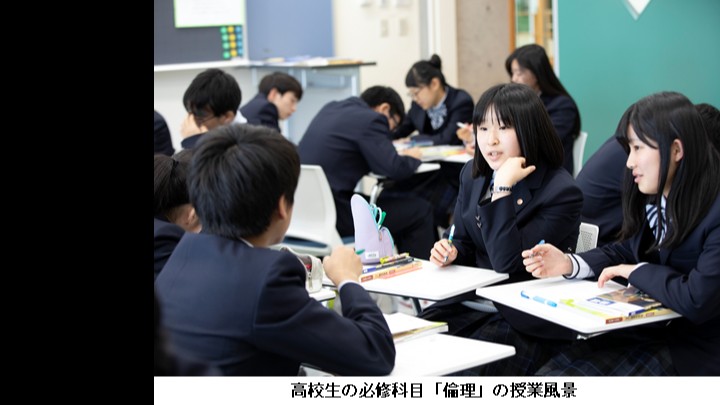
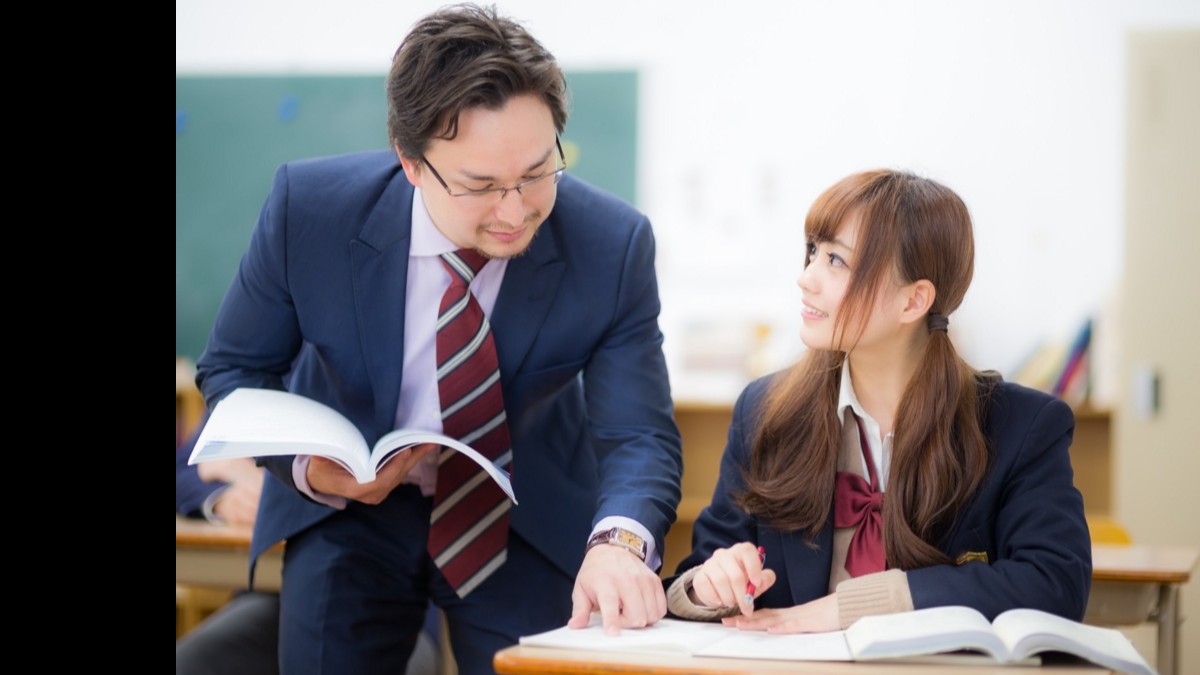
中等教育で、生徒たちはいろいろな科目でさまざまな分野の知識に触れていきます。
In secondary education, students are able to encounter knowledge from various fields through different subjects.
。
No matter what kind of knowledge it is, there is always a particular worldview or framework as its premise, and without that background, related theories or perceptions cannot be formed.
。
By being exposed to specialized knowledge in each subject, students gradually come to assume and solidify certain worldviews and frameworks of thinking, making them a part of their own perspectives and ways of thinking.
。
In other words, the more students learn specialized knowledge, the more they become bound by the assumed values and frameworks.
。
On the other hand, as technological innovation and globalization rapidly change social structures and shared perceptions, it has become necessary to develop the ability to understand values beyond one’s own current worldview.
。
The core of philosophy is to question and reconsider the fundamentals and assumptions of things, and to contemplate them deeply.
。
By becoming familiar with philosophical activities, people can free themselves from their current ways of thinking and frameworks, and develop the ability to pursue their own firm values in a rapidly changing society.
。
Exactly at the stage of secondary education, the place where deeper learning begins, it is becoming necessary to cultivate philosophical thinking skills more flexibly.


 Page d'accueil
 Vidéo
Vidéo
 Examen JLPT
 Dictionnaire
 Leçon
Leçon

 Sujet
Sujet