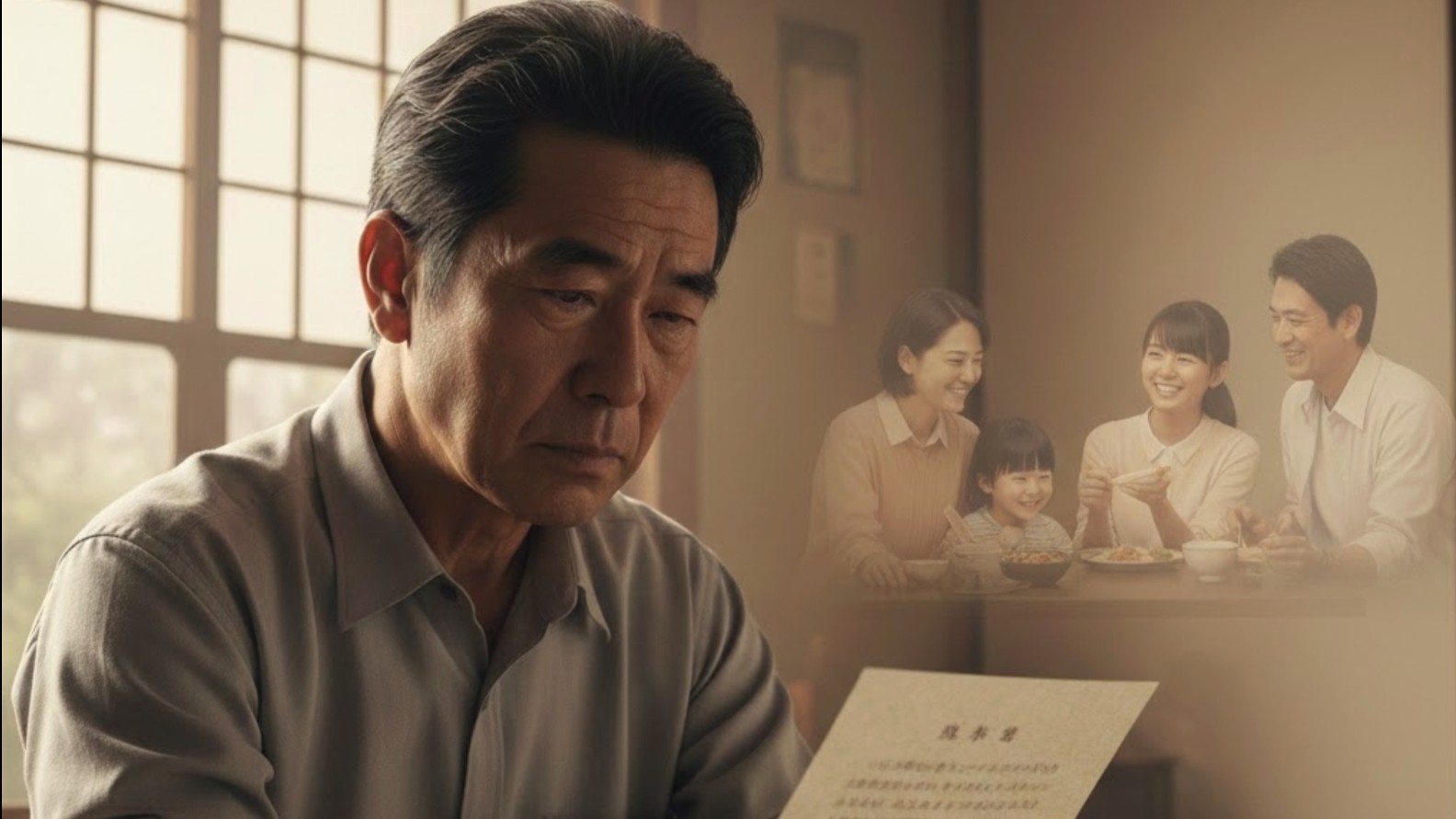
ほとんどのリーダーにとって、休暇は毎回同じ誓いの繰り返しである。
For most leaders, vacations are always a repetition of the same vow.
。
This time, I definitely intend to completely step away from work.
。
I don’t have any personal rules like “just checking my email a few times” or “just taking a quick look,” and I won’t secretly reply from the hotel either.
。
However, that determination is easily swept away by trivial events.
。
Just a few days, or sometimes just a few hours later, my daily routines quietly return and bring me peace of mind.
。
I only meant to take a quick look, but before I knew it, I ended up replying to a few emails, and eventually, I found myself making decisions during my vacation.
。
The vacation ends before I know it, and with a sigh, I go back to work.
。
The fact that leaders cannot manage their own vacations is not a matter of discipline.
。
メール確認は道徳的失敗でも自制心の欠如でもない。
Checking your email is not a moral failure or a lack of self-control.
。
It is a question of understanding and designing life.
。
Many leaders remain tied to their work because their organizations do not realize how much they rely on the leaders always available function.
。
Most leaders believe that they check emails in order to keep track of the situation.
。
In fact, they are simply controlling their anxiety by seeking immediate reassurance.
。
Checking emails is, in reality, nothing more than a psychological ritual that makes you feel useful, connected to others, and in control of the situation by staying informed.
。
However, that is exactly what ruins the recovery brought by taking a vacation.
。
If you want to stop checking emails during your vacation, you need to design it not as a personal goal, but as a leadership responsibility toward the corporate ecosystem.
。
The reason why its hard to ignore emails is because they are psychological stimuli.
。
At first glance, the message in the email appears to suggest urgency, risk, or relevance, and the brain automatically reacts even without fully understanding the content.
。
That reaction will not disappear even if you are on vacation.
。
Leaders are especially susceptible.
。
Many emails contain decisions that only they can answer.
。
If you ignore an email when you receive an important message, they might feel that you are being irresponsible.
。
Therefore, it is usually easy for leaders to return to work.
。
Its only about sharing a bit of information, Im just looking for some materials and sending them back—its natural to feel like you have no choice but to do it.
。
There may be an underlying sense that work cannot progress without you, or a tendency to want to show off your leadership role, when you check emails during your vacation.
。
That behavior may bring comfort in the short term, but in the long run, it will only weaken the organization.
。
Checking emails while on vacation is not a sign of dedication.
。
Its just a form of dependence and a manifestation of unresolved consciousness. Unless the organizational design is changed, self-discipline alone wont be enough to stop it.
。
The only sure way to be completely disconnected from work during your vacation is to build a system in which you are no longer indispensable.
。
Lets delegate all tasks where you dont really need to be the sole decision-maker.
。
Lets clarify who has the authority to make decisions before taking a vacation, so that both sides can feel more at ease.
。
Please set up your email auto-reply to be specific and clear, and be sure to include the contact information for while you are on vacation.
。
When there is a clear alternative, most problems mysteriously lose their sense of urgency.
。
To eliminate temptation, turn off email notifications or keep only the devices you use for emergencies.
。
A leader can only notice a change in perspective after stepping away from work.
。
パターンが見え、創造性が再び湧き上がる。
A model appears, and creativity awakens once more.
。
The team will also benefit.
。
If there is no leader, the members will demonstrate their abilities.
。
By setting boundaries, everyone comes to understand the importance of rest, and the organizations culture will also change.
。
Not checking emails during vacation is not a matter of self-discipline or shirking responsibility, but a sign of trust in the organization.
。
An organization that can withstand the absence of its leader is one that does not rely on the personal sacrifices of its individual members.
。
Therefore, in environments where email monitoring is mandatory, it is inevitable that you cannot completely disconnect from work even during vacations.
。
However, this problem will only be solved when leadership roles are truly shared among many people.
。
The era of maintaining balance by always being ready to be everywhere is over.
。
Vacation is not just a temporary break from work, but also an opportunity to reevaluate the very design of the organization.


 Page d'accueil
 Vidéo
Vidéo
 Examen JLPT
 Dictionnaire
 Leçon
Leçon

 Sujet
Sujet