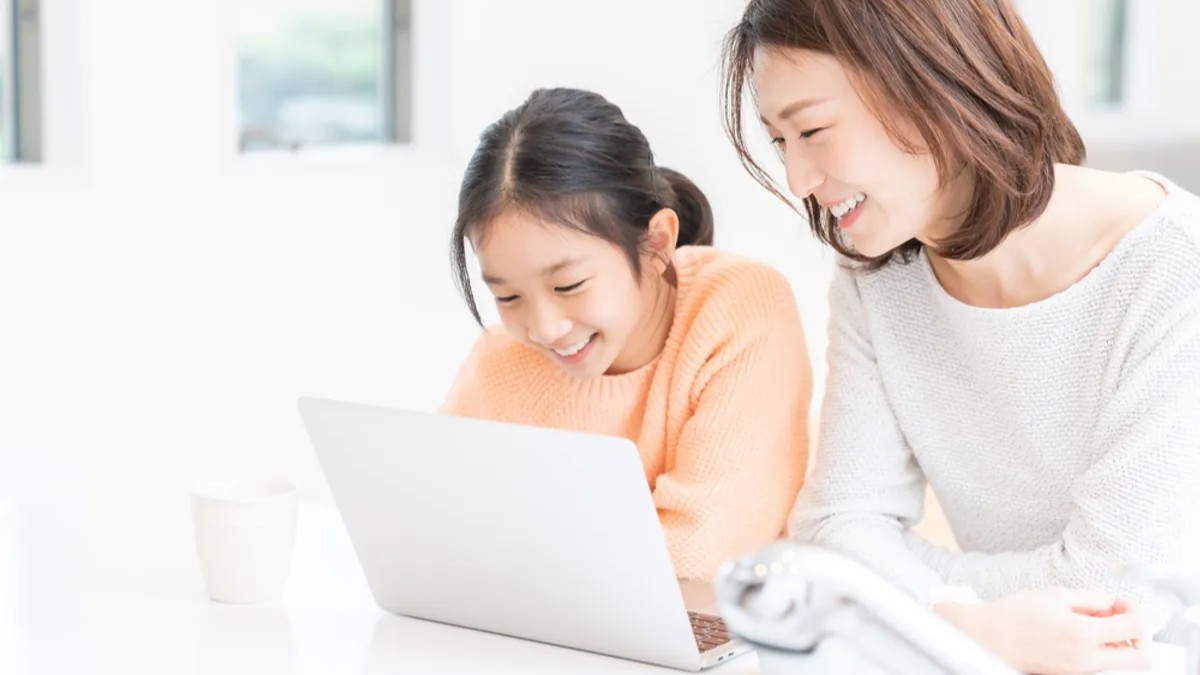
家庭におけるAIの活用状況についての調査によれば、主婦は日常生活のさまざまな場面においてAIを積極的に利用しており、その結果として多くの主婦が生活の利便性向上を実感していることが明らかになった。
According to a certain survey, it was found that housewives are actively using AI in various aspects of their daily lives at home, and as a result, many people feel that their lives have become more convenient thanks to AI.
。
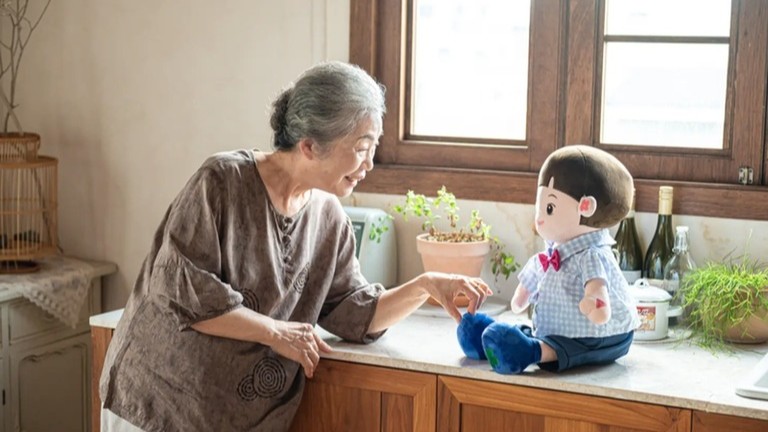
Their use of AI extends beyond information retrieval to various fields, such as providing health and beauty advice, suggesting menus and recipes, planning trips, and even using AI as a conversation partner.
。
Furthermore, they are making the most of various AI functions, such as creating shopping lists, generating content for social media, supporting childrens learning, and editing texts.
。
According to a survey conducted by One, a company offering marketing support services, targeting 1,000 married women who use AI several times a month, 77% of housewives feel that their lives have become easier.
。
Specifically, it can save time spent searching for information, reduce psychological stress by talking with AI, help discover new ways of doing household chores, and lessen the stress of raising children.
。
From these results, it can be said that the range of AI applications in households may even surpass that in companies.
。
Advice from housewives on how to use AI includes things like getting suggestions for meals based on the ingredients in the fridge, organizing priorities when there are many tasks to do, consulting about the minimum housework to do when feeling unwell, receiving advice on tidying up rooms, reviewing eating habits based on health checkup results, and gathering various opinions on news to think for oneself.
。
v.(「v.」は日本語でもそのまま「v.」と表記されることが多いですが、文脈によっては「対」「バーサス」などと訳される場合もあります。)
。
These are all practical and diverse ways to use AI.
。
However, housewives are also wary of relying too much on AI, recognizing the risks of being misled by incorrect information, a decline in their own ability to think, and negative effects on their childrens learning. They emphasize the importance of deepening their understanding of AI and the ability to discern the accuracy of information.
。
Many housewives also accept the use of AI by children under certain conditions. For example, instead of getting direct answers from AI, they only receive hints, learn various ways to solve problems, research on their own before asking AI, check the accuracy of answers, verify sources of information, do not copy AI-generated text as is, and do not use AI for personal information or defamatory content. These specific guidelines are strictly followed.
。
In this way, by using AI in their daily lives, housewives can naturally improve their knowledge of AI and also provide proper education to their children.
。
Without a doubt, housewives are the quintessential example of utilizing AI.


 Home
Home
 Video
Video
 JLPT Test
 Dictionary
 Lesson

 Topic
Topic