Logo
Home
Lessons
Notebook
Dictionary
JLPT Test
Video
Upgrade
logo
Old Web Version
Logo
Home
Lessons
Notebook
Dictionary
JLPT Test
Video
Upgrade
logo
Old Web Version
Todaii Japanese
language
Logo Japanese
todai.easylife@gmail.com
(+84) 865 924 966
315 Truong Chinh, Ha Noi
www.todaiinews.com
DMCA.com Protection Status

About Todaii Japanese

Brand StoryFAQsUser GuideTerms & PolicyRefund Information

Social Network

Logo facebookLogo instagram

App Version

AppstoreGoogle play

Other Apps

Todaii German
Todaii French
Todaii Korean
Todaii English
Todaii Spanish
Todaii Chinese
DMCA.com Protection Status

Copyright belongs to eUp Technology JSC

Copyright@2025

Loading...
天の橋立と神さまのはしご

Article Details

  1. Reading Practice
  2. Article Details

天あまの橋立はしだてと神かみさまのはしご

N4
27/09/20251443
天の橋立と神さまのはしご
0:00

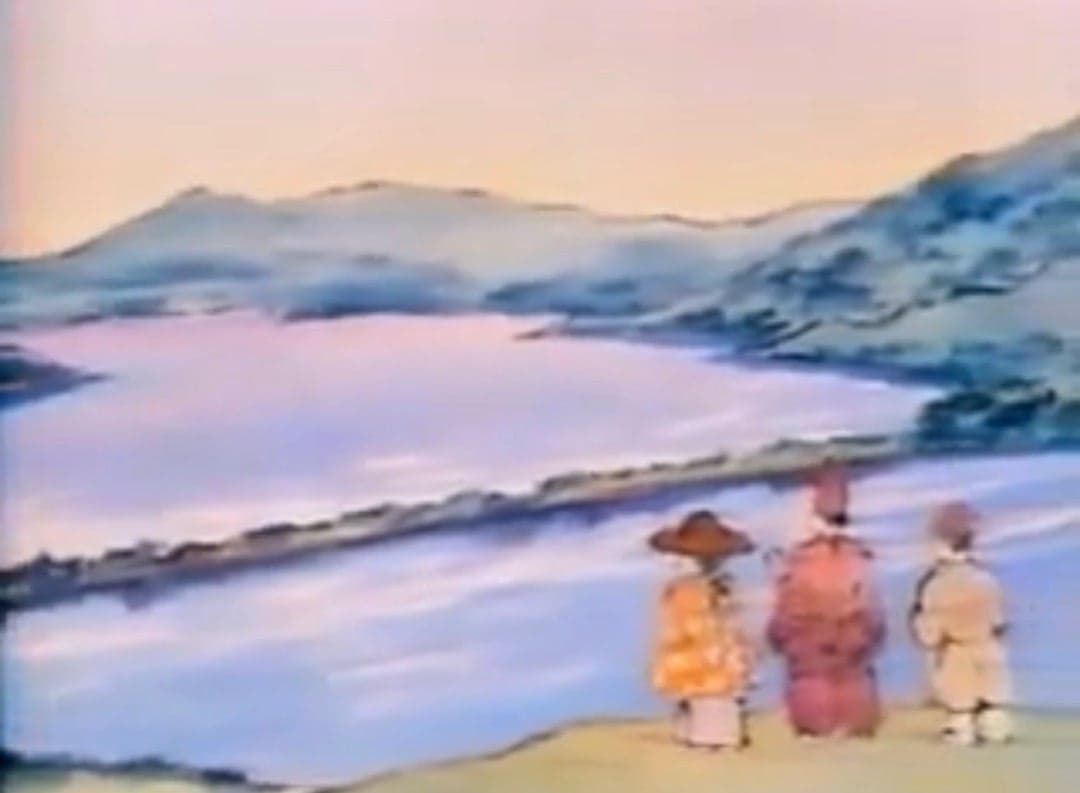
京都府きょうとふの天あまの橋立はしだては、日本にほん三景さんけいの1つです。海うみの上うえに、長ながさ3.6kmの細ほそい道みちが続つづいています。
昔むかし、平安時代へいあんじだいの小式部内侍こしきぶのないしが、天あまの橋立はしだての歌うたを詠よみました。小式部内侍こしきぶのないしの母親ははおやは、天あまの橋立はしだてがある丹後たんごの国くにに行いっていました。小式部内侍こしきぶのないしは、母親ははおやから手紙てがみが来きていないことを歌うたにしました。
「大江山おおえやまを越こえて、いく野のの道みちは遠とおいので、まだ手紙てがみも見みていません。天あまの橋立はしだても見みていません」
小式部内侍こしきぶのないしは、遠とおくに住すんでいる母親ははおやから、手紙てがみが来きていないことを伝つたえました。天あまの橋立はしだての名前なまえも入いれて、すばらしい歌うたでした。

Source: Tổng hợp
Share: Logo facebook

Comment

N559%
N419%
N319%
N20%
N14%

Vocabulary (21)

京都府きょうとふ
Kyoto PrefectureNoun
天あまの橋立はしだて
天橋立Noun
日本三景にほんさんけい
Three Famous Places in JapanNoun
海うみN5
SeaNoun
長ながさ
LengthNoun
道みち
RoadNoun
続つづくN4
Please continue.Verb
昔むかしN4
PastNoun
平安時代へいあんじだい
Heian periodNoun
小式部内侍こしきぶのないし
Proper noun, female poetNoun
歌うた
Song, poemNoun
詠よむ
Recite a poemVerb
母親ははおや
mẹ (mother)Noun
丹後たんごの国くに
Country of TangoNoun
手紙てがみ
LetterNoun
越こえる
OvercomeVerb
野のN3
Rice fieldNoun
遠とおいN5
FarAdjective
伝つたえるN4
CommunicationVerb
名前なまえN5
NameNoun
素晴すばらしいN3
WonderfulAdjective

Grammar (8)

Noun 1 は、Noun 2 の 1つ ですN4
<noun 1> is one of the <noun 2>.京都府の天の橋立は、日本三景の1つです。
Verb in て-form + いますN4
Express the state of an event that is happening.海の上に、長さ3.6kmの細い道が続いています。
Verb in た form + ことが ありますN4
Expressing the experience of having done something in the past.昔、平安時代の小式部内侍が、天の橋立の歌を詠みました。
Verb in て form + いないN4
Expresses the state in which an event has not yet occurred.小式部内侍は、母親から手紙が来ていないことを歌にしました。
Verb in て-form + いませんN4
Expresses the state in which an event has not yet occurred.「大江山を越えて、いく野の道は遠いので、まだ手紙も見ていません。天の橋立も見ていません」
Verb in て form + いないN4
Expresses the state in which an event has not yet occurred.小式部内侍は、遠くに住んでいる母親から、手紙が来ていないことを伝えました。
Verb te-form + いましたN4
Express an event that happened in the past.天の橋立の名前も入れて、すばらしい歌でした。
Noun もN4
<Noun> also~. も is used instead of は/が when the information about the subject of the sentence is the same as the information about the subject of the previous sentence.天の橋立の名前も入れて、すばらしい歌でした。

Question

天橋立あまのはしだてはどんな場所ばしょですか。

1/5
A山の中にある道
B海の中に砂がたまってできた道のような所
C森の中にある公園
D川のそばにある橋

Related Articles