これまでアイスランドは、極寒の厳しい冬の気候により蚊の生息が阻まれてきたが、近年その状況に変化が生じつつある。
So far, Icelands harsh and extremely cold winters have prevented mosquitoes from inhabiting the country, but in recent years, this situation has been gradually changing.
。
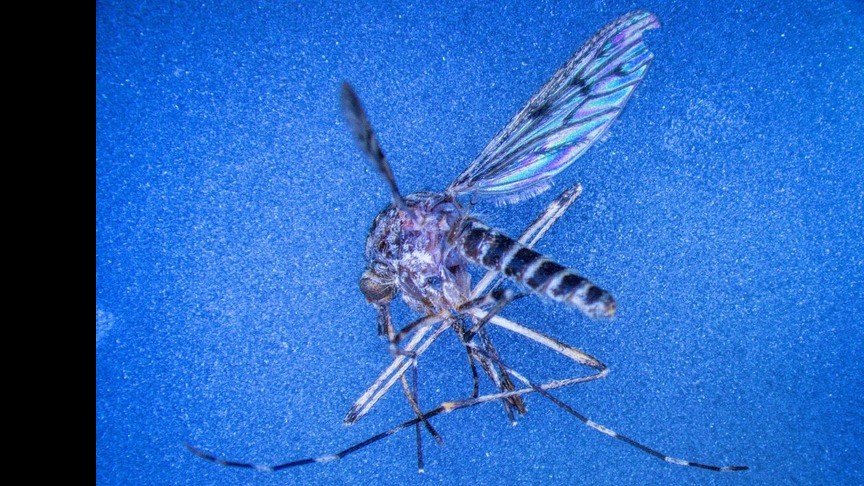
This week, local scientists announced the discovery of three mosquitoes. This is the first time wild mosquitoes have been confirmed in Iceland.
。
Mosquitoes are widely distributed around the world except for Antarctica, but due to the extremely cold climate, they have never been observed in Iceland.
。
Mr. Björn Hjaltason, who discovered the mosquito this time, stated that he found a strange fly in an area about 32 km north of the capital Reykjavik on the afternoon of the 16th.
。
Mr. Hjaltason posted in a Facebook group about insects, saying, I immediately noticed something unusual and caught it, and this incident was also reported by local media.
。
After that, Mr. Hjaltason contacted the entomologists at the Icelandic Institute of Natural Sciences, and the next day, the scientists came to Mr. Hjaltasons house and caught a total of three mosquitoes two females and one male.
。
As a result of the investigation, it was found that this is a species called Culiseta annulata.
。
According to entomologists, various types of mosquitoes had previously been found inside aircraft at Keflavík International Airport, but this is the first recorded instance of mosquitoes appearing in Iceland’s natural environment.
。
The species of mosquito confirmed this time is widely distributed throughout the Eastern Hemisphere, from North Africa to northern Siberia. Since the adults can withstand the cold by staying in places sheltered from wind and rain, they are considered to have a high ability to adapt to cold climates.
。
They are believed to be able to withstand subzero temperatures even during harsh winters.
。
It is still unclear how this mosquito reached Iceland, but it is possible that it entered via ships or cargo containers.
。
Entomologists plan to conduct another survey next spring to see if these insects can survive the winter, and say that future observations will be crucial in determining whether they can become established in Iceland.
。
気候変動が進むにつれて、猛暑や嵐、洪水の発生頻度が増加し、それに伴い蚊の生息範囲も拡大している。
最近の研究では、気温の上昇が蚊の成長速度を早め、寿命を延長させることが報告されている。
しかしながら、地球温暖化が進行する中で蚊がどのように行動するかについては、未解明な部分が多い。
専門家は、今回のアイスランドでの蚊の発見を即座に地球温暖化と結び付けて論じることには慎重であるべきだと指摘している。
アイスランド自然科学研究所の昆虫学者も、今回の発見が気候変動と直接関係しているかどうかは現時点では判断できないとしつつも、「気温の上昇によって、他の蚊の種がアイスランドに定着する可能性は高まるだろう」との見解を示した。


 Home
Home
 Video
Video
 JLPT Test
 Dictionary
 Lesson

 Topic
Topic