冬季は単に気象条件を変化させるのみならず、私たちの生産性や判断力、さらには心身の健康状態にまで多大な影響を及ぼす季節である。
Winter is not just a season that simply changes the weather conditions; it also has a significant impact on our work productivity, judgment, and even our physical and mental health.
。
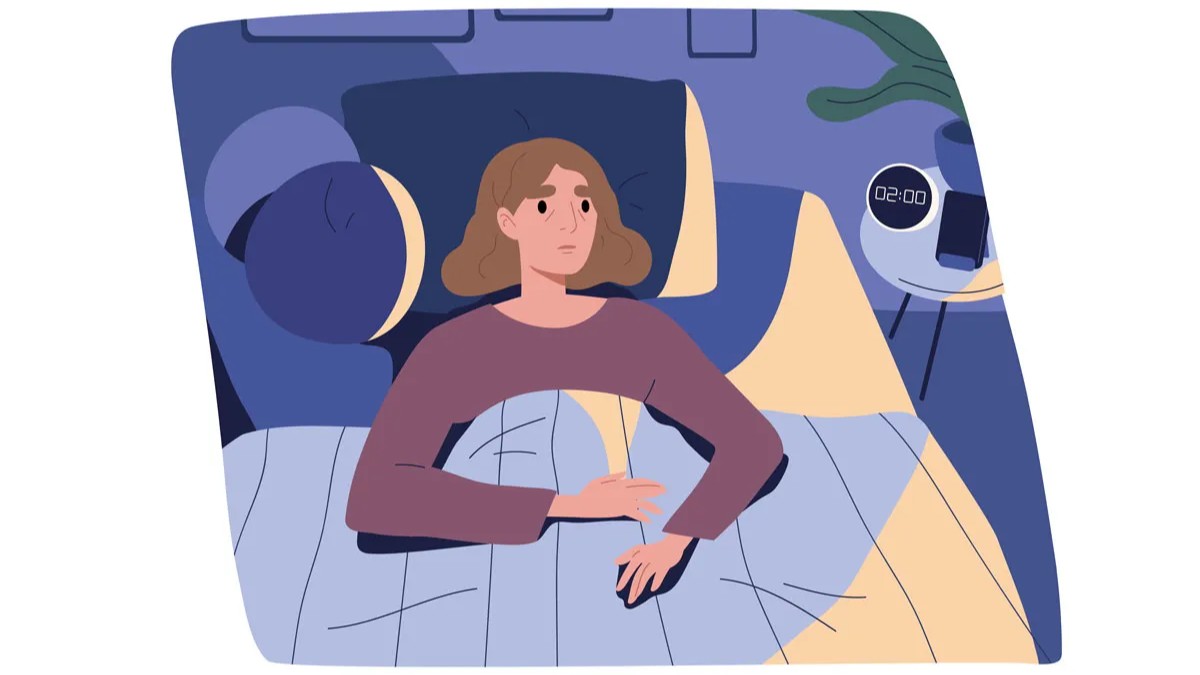
The decrease in daylight hours and the significant drop in temperature greatly reduce sleep quality, which in turn negatively affects health, work performance, and long-term resilience.
。
Especially during the busy year-end and New Year period, the continued work pressure can easily lead to fatigue, resulting in decreased judgment and energy.
。
In the United States, after daylight saving time ends, environmental changes become more noticeable, such as darker mornings and earlier sunsets, and as winter deepens, the period known as the dark days of winter begins.
。
As a result, this leads to the shortest daylight hours of the year, and the effects on sleep and physical and mental health become more noticeable.
。
Furthermore, recent studies have shown that reducing lighting duration has a significant impact on psychological state and sleep quality.
。
In particular, quite a few people suffer from winter depression seasonal affective disorder, which is believed to be caused by disruptions in the secretion of hormones such as serotonin and melatonin that regulate the autonomic nervous system and the body’s internal clock.
。
Therefore, there are increasing cases where drug therapy is chosen to alleviate symptoms and improve sleep quality.
。
Furthermore, scientific evidence is gradually accumulating, showing that chronic sleep disorders significantly increase health risks for people today.
。
Sleep deprivation and sleep disorders are closely linked to serious problems such as depressed mood, decreased memory and judgment, as well as high blood pressure, diabetes, obesity, depression, heart disease, and stroke.
。
In situations where the temperature drops and the darkness of winter lingers, making an effort to get quality sleep is no longer a choice, but a necessity.
。
Here are three evidence-based strategies to improve sleep quality.
。
最新のランダム化比較試験のメタ分析によれば、筋力トレーニングは有酸素運動や両者の組み合わせに比べて、より顕著に睡眠の質を向上させることが示唆されている。
According to a recent meta-analysis of randomized controlled trials, strength training may improve sleep quality more significantly than aerobic exercise or a combination of both.
。
Squats, push-ups, pull-ups, planks, and other bodyweight exercises, as well as resistance training like deadlifts and weightlifting, plus activities such as climbing stairs, carrying heavy objects, and using resistance bands in daily life, can all help strengthen your muscles.
。
The important thing is to maintain a balanced and regular exercise routine that suits your physical condition and health, avoid excessive exercise right before bedtime, and consult a doctor if you have any underlying medical conditions.
。
こうした状況下では、マインドフルネス、すなわち現在の瞬間に意識を集中させ、思考や感情を評価せずに受け入れる実践が、ストレス軽減や睡眠準備に有効であるとされる。
In situations like this, practicing mindfulness—focusing your awareness on the present moment and accepting your thoughts and feelings without judgment—is considered effective for reducing stress and preparing for sleep.
。
At the same time, by maintaining stable daily routines in the morning, afternoon, and night, exercising regularly, eating a balanced diet, and keeping consistent bedtimes and wake-up times, you can establish a stable daily rhythm that is not affected by external factors and improve the quality of your sleep.
。
3. Enhance adaptability to survive the winter Due to lower temperatures and shorter daylight hours, physical activity tends to decrease, making it easier to fall into a hibernation state. However, in modern society, our experience with the COVID-19 pandemic has made it clear that restricting activities has a clearly negative impact on both physical and mental health.
。
Therefore, when it becomes difficult to maintain traditional habits during winter, it is very important to actively adapt by changing your environment—such as exercising or stretching indoors, or adjusting the lighting in your room.
。
These small changes can greatly contribute to improving your mood, maintaining your physical strength, and increasing your willpower.
。
The famous phrase Winter is coming symbolizes the season of winter as one that brings many challenges to sleep, health, and productivity.
。
However, instead of simply enduring it, this is precisely the time when we should actively adopt new lifestyle habits to overcome the difficulties of winter.


 Page d'accueil
 Vidéo
Vidéo
 Examen JLPT
 Dictionnaire
 Leçon
Leçon

 Sujet
Sujet