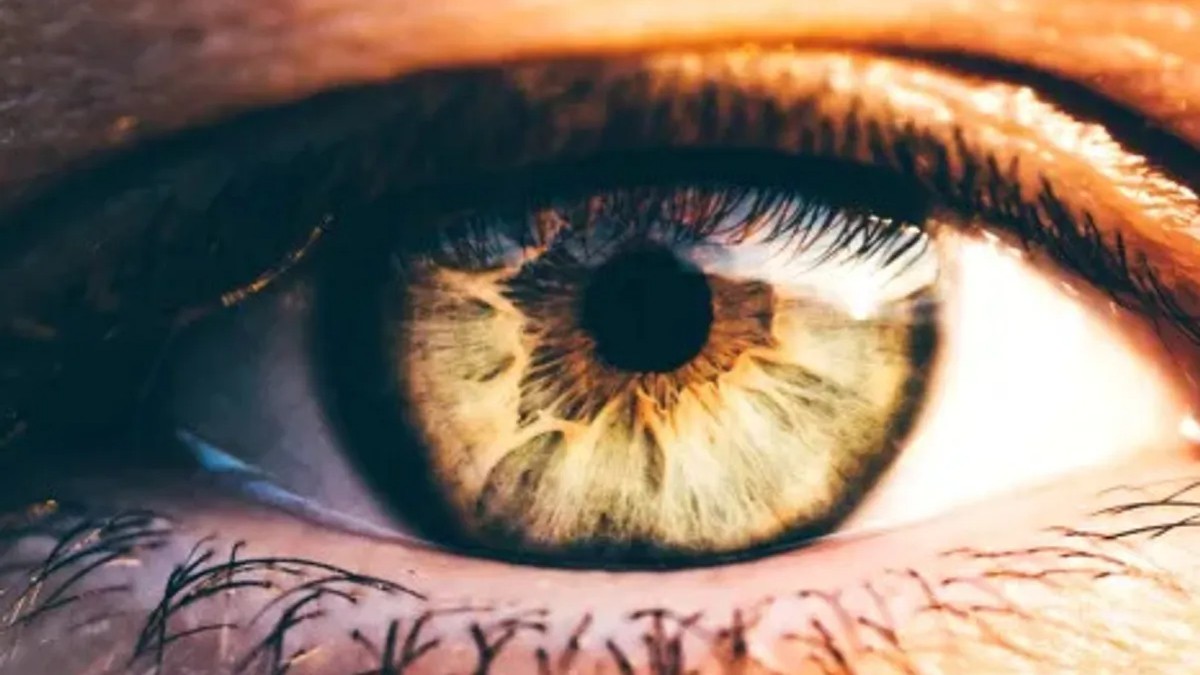
新しい研究で、人の目は今まで考えられていたよりも細かいものを見ることができるとわかりました。
A new study has revealed that the human eye can see smaller details than previously thought.
。
However, this does not mean that we need a very high-resolution television.
。
This study was conducted by a group of scientists from the University of Cambridge and Meta Reality Labs.
。
The group showed samples of thin lines with various colors and intervals to 18 participants aged between 13 and 46.
。
If participants can identify the lines, it means their eyes can see up to that number of pixels.
。
The results show that, in the case of gray, there are people who can distinguish up to 94 pixels per degree.
。
In the case of red and green, this value is about 89 pixels, but for yellow and purple, its only about 53 pixels.
。
This is because the eyes and brain function differently depending on the color.
。
This study also explains why, even with 4K or 8K televisions, there is not much noticeable difference compared to 2K televisions when viewed from a normal distance.
。
Most people cannot distinguish every pixel.
。
Researchers believe that televisions and displays should be designed to match the capabilities of the human eye.
。
Furthermore, research also shows that many of the colors and shapes we see are actually created by the brain.
。
The human eye has abilities sufficient for daily life, but it is not as perfect as a machine.


 Home
Home
 Video
Video
 JLPT Test
 Dictionary
 Lesson

 Topic
Topic