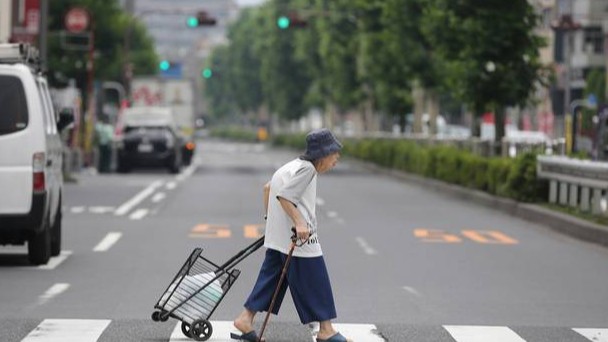
日本では高齢者が一人で住むことが多くなっています。
In Japan, the number of elderly people living alone is increasing.
。
Therefore, more and more people are dying alone.
。
In that case, if someone who has no family or relatives passes away, what happens to their assets?
。
According to Japanese law, if the deceased has left a will, the assets will be distributed in accordance with that will.
。
However, if there is no will, the spouse, children, and grandchildren will inherit the property.
。
However, if there are no heirs, the court will appoint an estate administrator, and after paying taxes and debts, any remaining money or property will go to the government.
。
This procedure requires a lot of time and money.
。
In 2024, the amount of property brought to the state by people without heirs was approximately 129 billion yen.
。
Its four times what it was ten years ago.
。
The reason is that the number of elderly people living alone and people who are not married and have no children is increasing.
。
Furthermore, since there are still few people who write wills and inheritance taxes are high, many people are giving up their inheritance rights.
。
Therefore, the number of vacant houses is also increasing.
。
According to experts, elderly people are advised to write a will and think about their assets while they are still healthy.
。
Recently, the number of people donating to hospitals, welfare organizations, and universities has also been increasing.


 Home
Home
 Video
Video
 JLPT Test
 Dictionary
 Lesson

 Topic
Topic