「子は親の鏡」とはよく言われる言葉である。
The phrase Children are a reflection of their parents is often mentioned.
。
At first glance, the idea that you can understand a parents personality by observing their child may seem metaphorical, but in reality, it reflects a profound psychological truth.
。
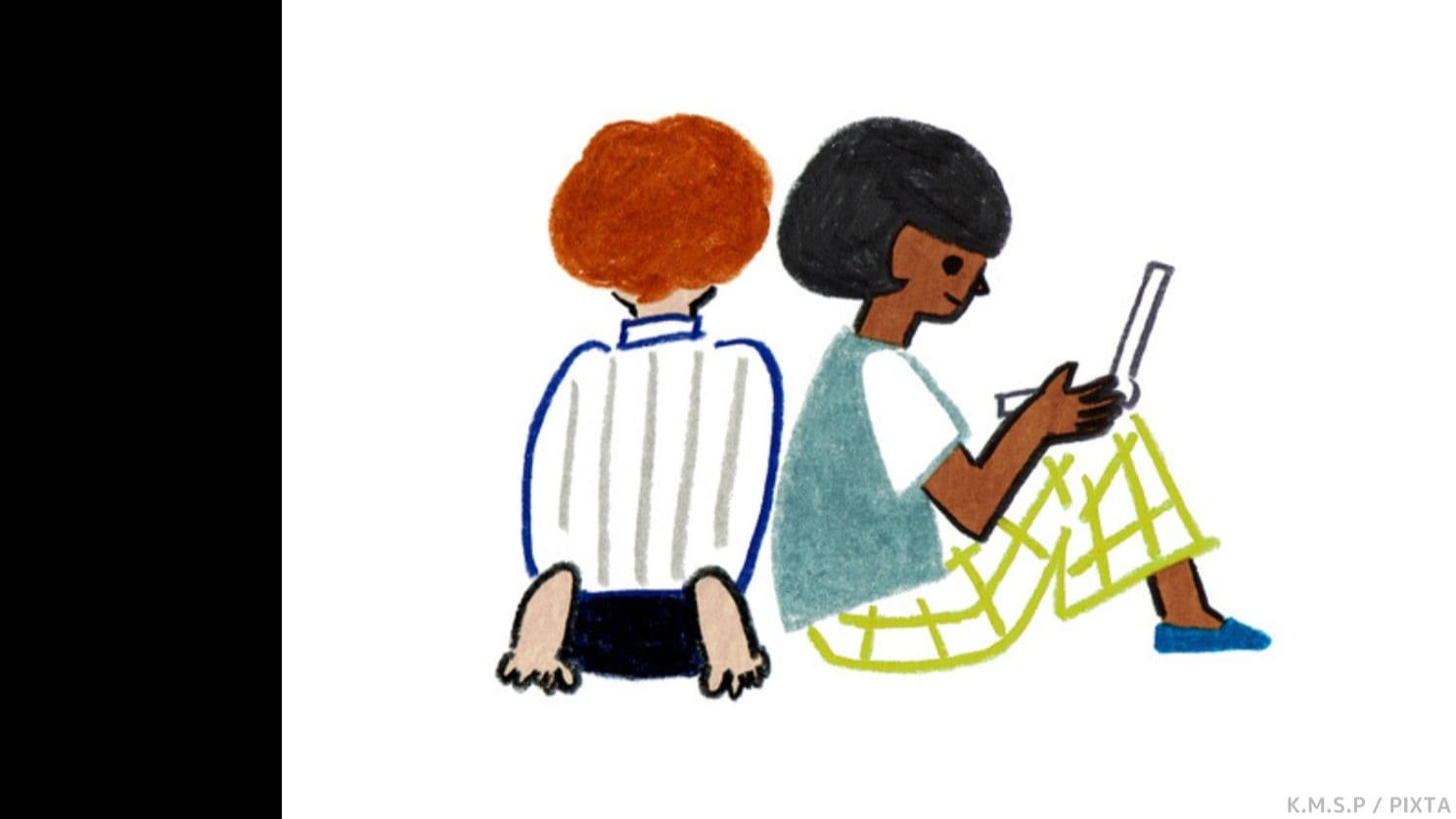
Children observe their parents gestures and way of speaking very keenly, and inevitably end up imitating them.
。
When they turn three, children often stubbornly talk back, but when theyre scolded with You shouldnt say things like that, they immediately respond, Im just saying it the same way as you, Mom or Dad.
。
In other words, children unconsciously imitate their parents words and behavior.
。
He truly deserves to be called a master of imitation.
。
From the way idol singers speak to anime characters, children eagerly absorb everything without choosing a particular subject.
。
However, what should be noted here is that children do not merely stop at imitation.
。
Since they are not yet physically or linguistically mature, it is impossible to fully replicate it.
。
As a result, the children have to make choices, exaggerate, or boldly change the original content.
。
However, it is precisely this change that is the source of childrens creativity.
。
In acts of imitation, we cannot help but create new meanings and ways of expression.
。
私たちがこどもを見て微笑ましく感じるのも、その逸脱の無邪気さと独創性に心を動かされるからにほかならない。
模倣とは、単なる真似ではなく、個の誕生に通じる創造の営みなのだ。

















 Home
Home
 Video
Video
 JLPT Test
 Dictionary
 Lesson

 Topic
Topic