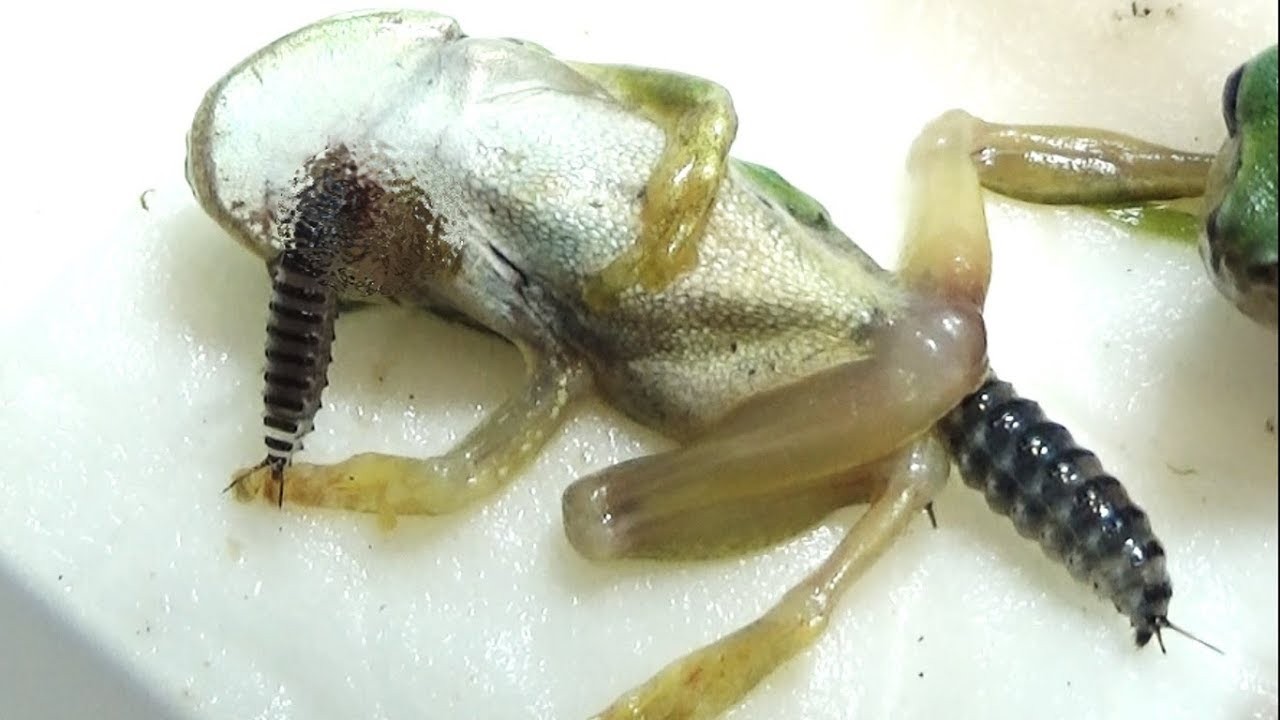
「昆虫食」と聞いただけで生理的な拒否反応を示す人も少なくない。
Just hearing the words eating insects makes many people instinctively react.
。
However, if people knew that this could significantly reduce the concentration of bad lipids in the blood and improve dyslipidemia, many would certainly pay more attention.
。
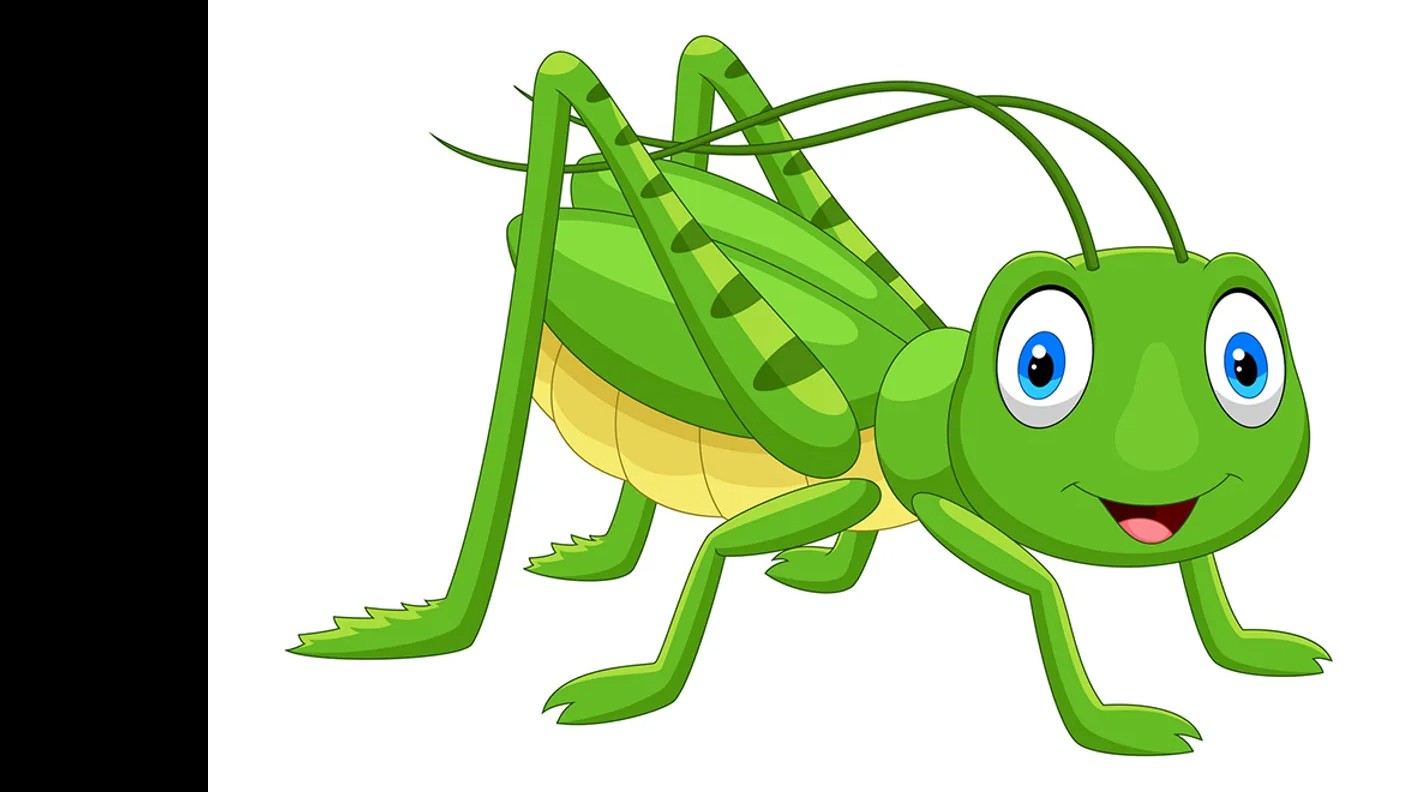
Associate Professor Yu Ochiais research group at the Laboratory of Nutritional Physiology, Department of Animal Resource Sciences, School of Veterinary Medicine, Kitasato University, had previously suggested that edible locust powder might improve lipid metabolism. This time, they succeeded in demonstrating its effects through experiments using mice.
。
When grasshopper powder was given to mice with dyslipidemia, all indicators related to lipid metabolism in the liver and blood improved uniformly.
。
In particular, an increase in Akkermansia bacteria, which play a role in maintaining the balance of the gut flora, was observed in male mice, indicating a secondary effect of reconstructing the intestinal environment.
。
This improvement effect is mainly due to the high content of functional lipids such as omega-3 fatty acid-bound phospholipids and phytosterols contained in locust powder.
。
These components regulate lipid metabolism between the blood and liver, suppress the absorption of excess lipids, and promote the excretion of bile acids in the feces.
。
In other words, eating insects may provide a new mechanism for maintaining lipid balance through the metabolism of lipoproteins.
。
The purpose of this study is not only to examine edible insects as an alternative protein source, but also to investigate their potential to function as lipid metabolism-improving agents.
。
This achievement not only opens up prospects for sustainable food sources, but also has potential applications in medicine, and will undoubtedly be highly regarded as an effort that connects nutrition and environmental science.
。
However, in order for this to truly become widespread in society, it is necessary to overcome cultural and psychological barriers.
。
The aversion to eating insects is not a rational issue, but rather stems from long-standing cultural conditioning.
。
環境危機と健康維持、倫理と嫌悪――そのはざまで人類はいずれ選択を迫られることになるにせよ、昆虫食が「未来の常識」となる可能性は決して否定できない。


 Home
Home
 Video
Video
 JLPT Test
 Dictionary
 Lesson

 Topic
Topic